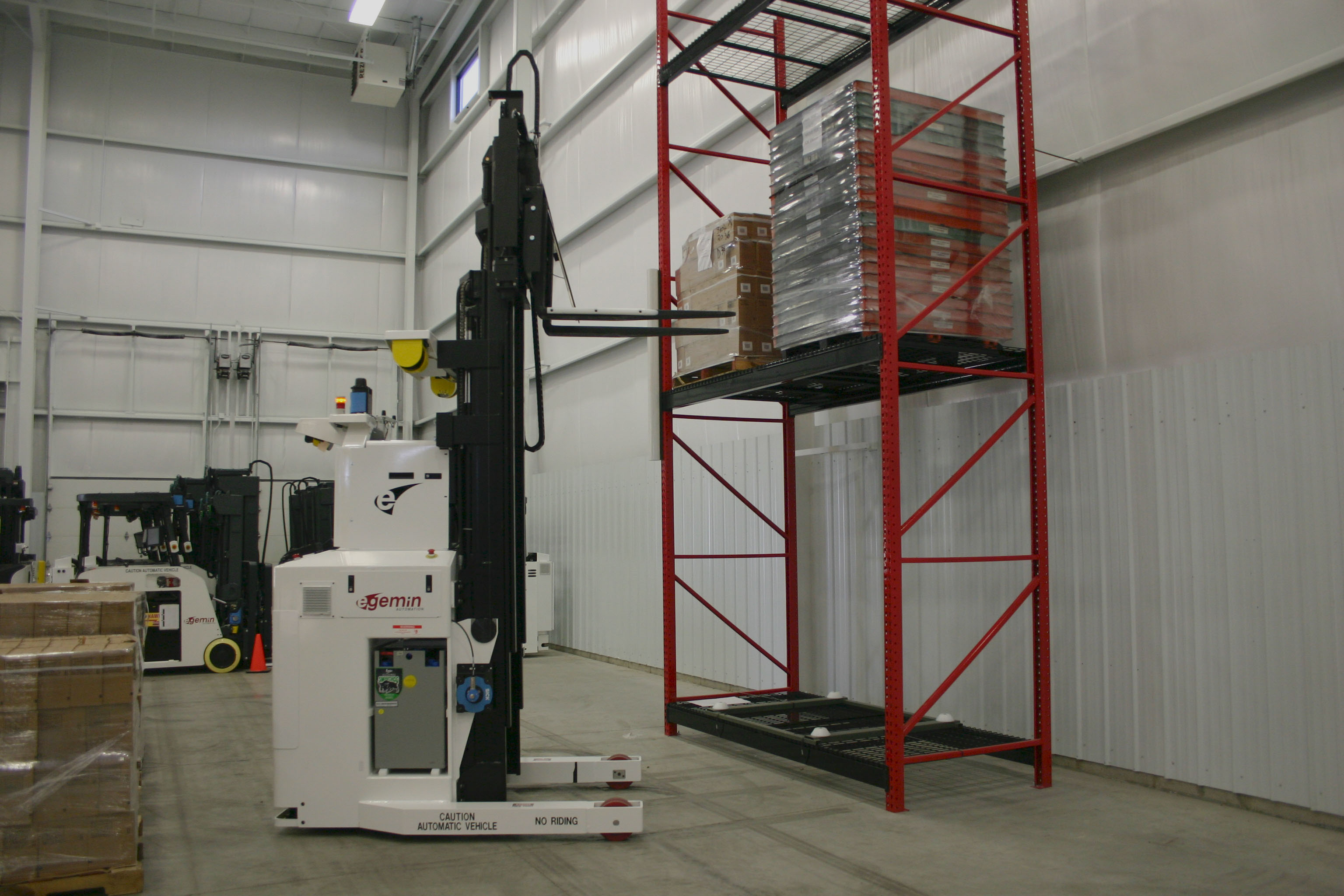
Physical AI perceives, reasons, and acts under gravity, friction, and uncertainty. This is the frontier — from warehouse floors to world models — tracked with equal attention to breakthroughs and face-plants.
Sensors, stereo vision, and world models that turn pixels and depth into a physics-grounded understanding of the scene.
VLA models and foundation models that plan under real-world constraints — contact, balance, and the cost of failure.
End-effectors, locomotion, and control policies that change the physical world — reliably, repeatedly, safely.
The idea of a machine that moves with purpose is older than "AI." What is new is the ability to learn that purpose from data — and to fail, iterate, and improve in the physical world.
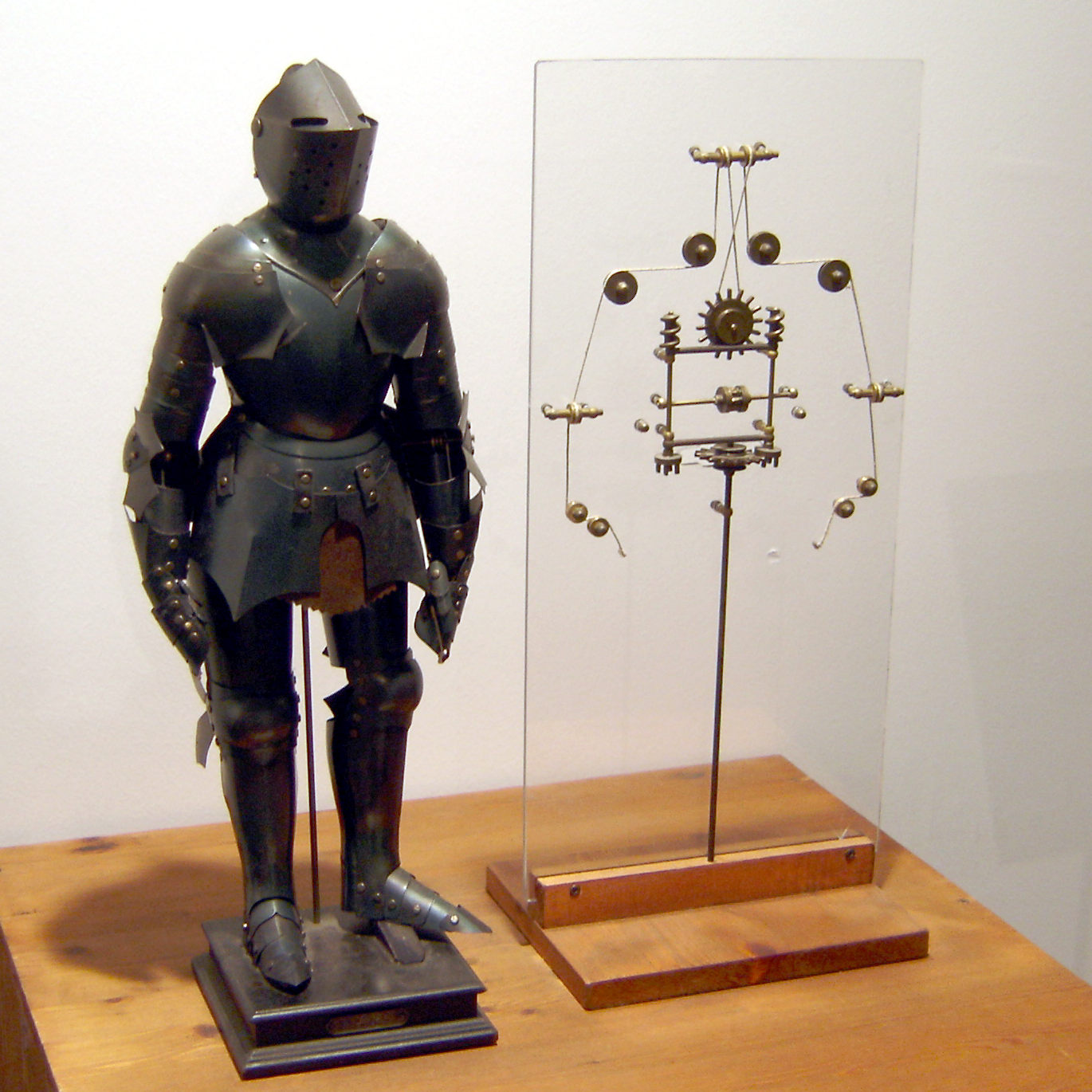
Da Vinci designs a life-size armored automaton operated by pulleys and cables — able to sit, stand, raise its visor, and move its arms. The first Western blueprint for a humanoid machine.
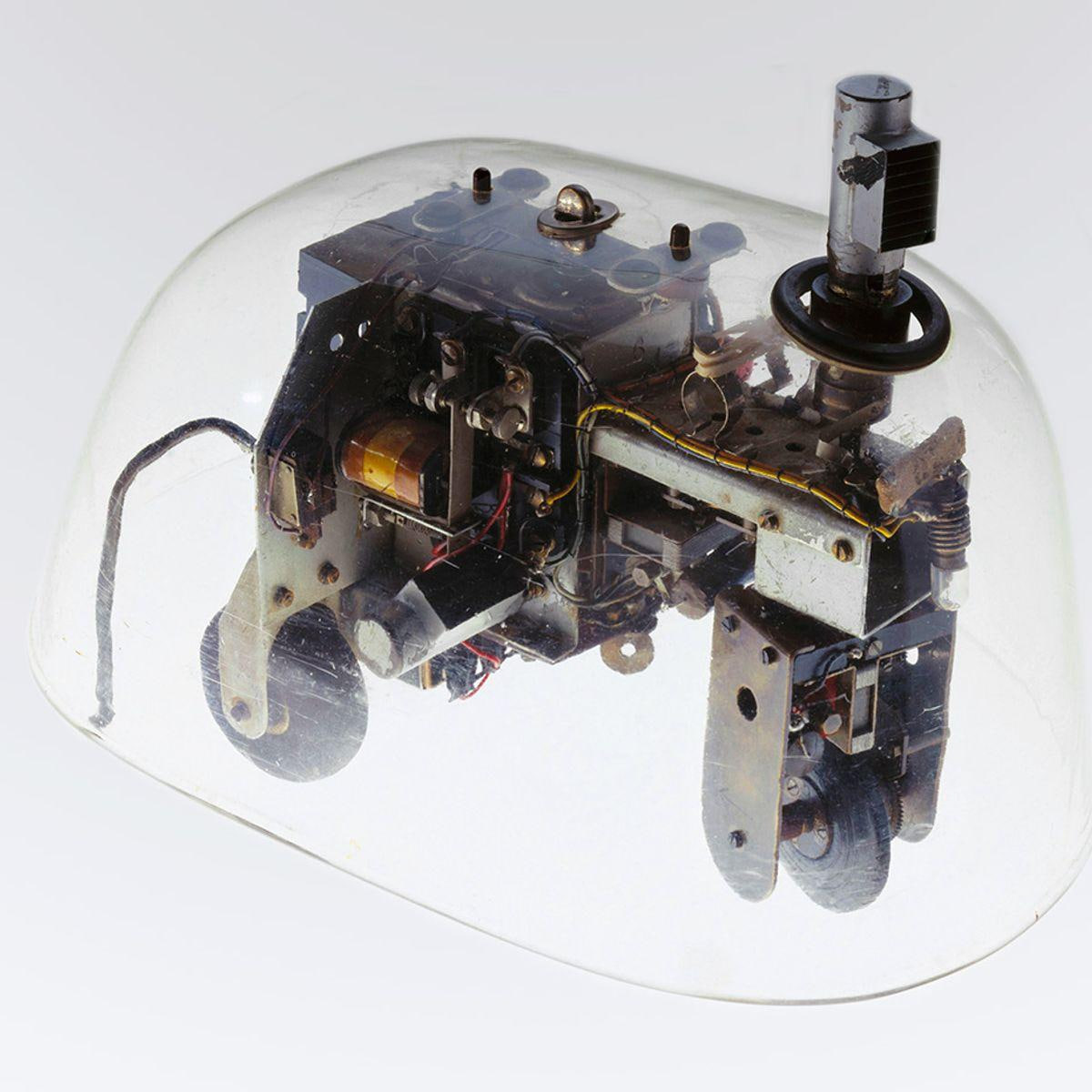
Two vacuum tubes, a photocell, and a shell. "Elsie" and "Elmer" exhibit obstacle avoidance and light-seeking — emergent behavior from a tiny physical system.
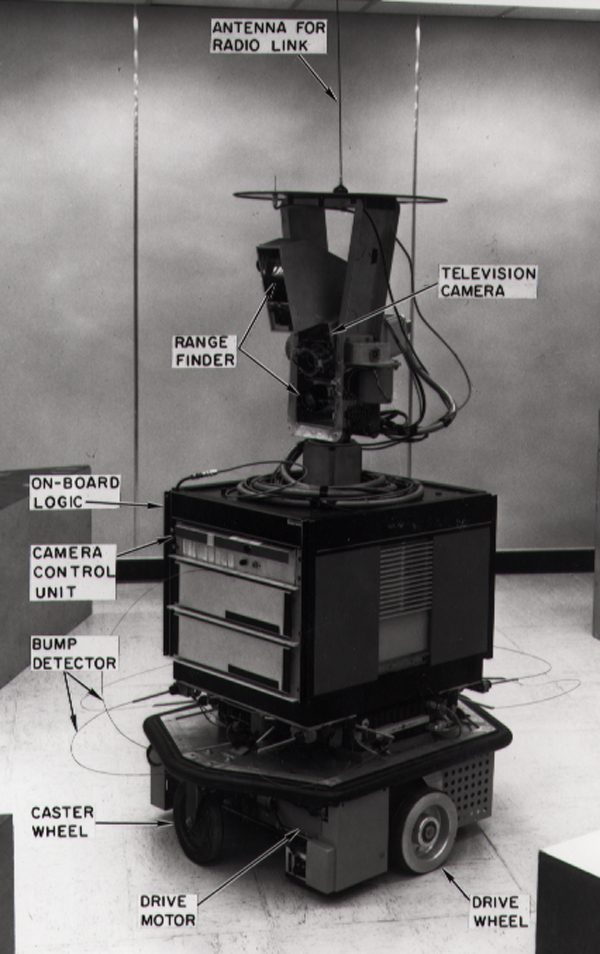
The first mobile robot to combine perception, planning, and action. Shakey's route-finding algorithm, A*, became the basis for modern GPS navigation.
Nature Machine Intelligence publishes a paper defining Physical AI as systems that fuse materials, mechanics, computation, biology, and chemistry to act autonomously in unstructured environments.
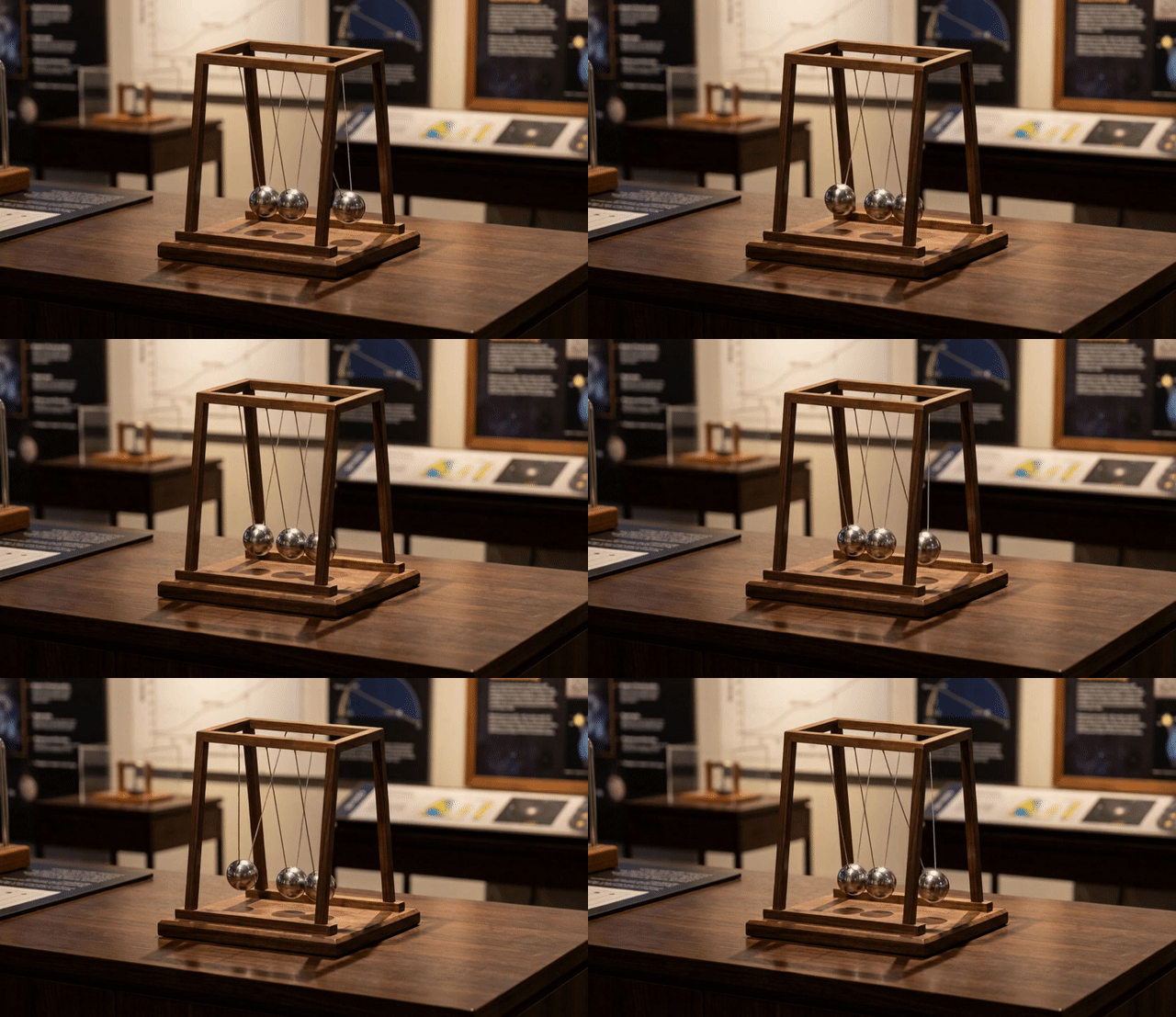
NVIDIA Cosmos 3, world foundation models, and open VLA stacks turn synthetic physics into training data — the "textbook" from which robots learn before touching the real world.

Physical AI is generating revenue — not on a stage, but in warehouses, substations, and city pipes. The humanoid is the symbol; the forklift is the business case.
Vision-guided forklifts handle irregular, soft, and never-before-seen loads. They do not need a humanoid shape to move a pallet — they need perception, a plan, and a safe stop.
Quadruped and climbing robots inspect substations, boilers, and pipelines in conditions that would be unsafe or impossible for people.
Drainage pump stations use sensor data and hydrological models to control valves automatically. No humanoid shell — the city itself is the body.
Humanoid robots have completed multi-hour shifts on real 3C production lines without a scripted demo — the quiet shift from "demo" to "work."
These are the applications with signed contracts, production lines, and deployment targets — the "next quarter" of Physical AI.
Consumer-grade personal robots are moving from pre-order to factory output, with early batches selling out and delivery logistics being stress-tested.
Fulfillment robots designed for narrow backroom aisles are being deployed store-by-store, handling picking and replenishment in live retail environments.
A RaaS model is putting embodied-AI reception and explanation agents into auto dealerships and 4S stores — selling the intelligence layer, not the hardware.
The hardest problem is not making a robot move. It is making a model understand what will happen when it does.
Cosmos 3 and similar world foundation models generate photorealistic, physics-grounded video — synthetic experience that a robot can learn from without crashing in reality.
Isaac GR00T provides open foundation models for humanoid robot learning — turning human motion demonstrations into whole-body control policies that generalize across tasks.
"The ChatGPT moment for embodied intelligence could arrive in one to two years. By 2027–2028, a Physical AI model may finally align with real-world action."— Wang Xingxing, Founder & CEO, Unitree Robotics
Every one of these clips is real. They are not arguments against the technology — they are arguments for taking the physical world seriously.
One day after launch, a side flip ended with a mechanical lower leg detaching at the joint on stage in Hangzhou. Landing forces reached thousands of newtons; the lightweight carbon-fiber leg had limited structural redundancy.
Even the most athletic humanoid in the world has dropped parts on stage. The blooper reel is part of the engineering record, not a counter-narrative.
These figures are directional, sourced from public market research and industry reports. The inflection is the point — not the decimal.
Figures are for editorial context and should be independently verified before use in financial or investment decisions.